
Chiropractic recovery for rear-end collision victims naturally offers a successful, non-invasive approach to pain management, focusing on spinal manipulation, soft tissue therapy, and exercise prescription tailored to individual needs. Early intervention leads to faster recovery times and better outcomes, preventing long-term physical issues by addressing mechanical disorders of the musculoskeletal system and promoting natural healing. Consult qualified chiropractors for comprehensive, holistic rehabilitation including targeted exercises under professional guidance for optimal recovery.
Rear-end collisions are among the most common types of vehicular accidents, often resulting in injuries ranging from minor discomfort to severe trauma. Efficient recovery plans are crucial for victims' swift return to optimal health and daily routines. This article provides an authoritative guide on navigating the chiropractic recovery process after a minor rear-end collision, focusing on natural healing techniques. We'll explore how chiropractic care can alleviate common post-accident symptoms, accelerate recovery, and help victims regain mobility and overall well-being. By understanding these principles, individuals affected by such incidents can make informed decisions towards a speedy and effective recovery.
- Immediate Care After a Minor Rear-End Collision
- Understanding Chiropractic Recovery for Rear-End Collision Victims
- Long-Term Wellness: Post-Collision Rehabilitation
Immediate Care After a Minor Rear-End Collision

Following a minor rear-end collision, immediate care is paramount to ensure optimal recovery. The first steps after such an incident involve assessing injuries, seeking medical attention promptly, and documenting the incident. Many individuals involved in rear-end collisions experience whiplash, muscle strains, or joint dislocations, which can be effectively managed through prompt chiropractic care. A study by the American Chiropractic Association (ACA) revealed that chiropractic recovery for rear-end collision victims is often a successful and natural approach to pain management, offering relief from acute discomfort and enhancing overall mobility.
Chiropractors are trained to evaluate and address musculoskeletal issues resulting from vehicular accidents. They employ techniques such as spinal manipulation, soft tissue therapy, and exercise prescription tailored to each patient's specific needs. The gentle adjustments made by chiropractors help realign the spine and alleviate pressure on nerves, reducing pain signals sent to the brain. This natural healing process promotes blood flow to injured areas, expediting recovery while minimizing reliance on medications or surgeries.
In addition to addressing physical symptoms, chiropractic care focuses on educating patients about injury prevention and long-term wellness. Chiropractors guide individuals through exercises that strengthen back and neck muscles, improving postural alignment and resilience against future injuries. Regular chiropractic check-ups can also help identify subtle misalignments before they escalate into more severe conditions. By adopting a proactive approach to recovery, rear-end collision victims can achieve lasting relief and regain control over their daily lives.
Understanding Chiropractic Recovery for Rear-End Collision Victims

Chiropractic recovery for rear-end collision victims is a critical aspect of post-accident care, focusing on addressing spinal misalignments and other injuries often associated with these low-impact yet potentially damaging collisions. The sudden stop or jolt during a rear-end crash can cause whiplash, muscle strains, and spinal adjustments, leading to pain and discomfort for victims. Chiropractic care offers a natural and non-invasive approach to managing these symptoms, promoting healing, and restoring function.
Chiropractors are specifically trained to diagnose and treat mechanical disorders of the musculoskeletal system, with a particular emphasis on the spine. In the context of rear-end collisions, they evaluate patients for conditions like spinal subluxations (misalignments), muscle spasms, and joint restrictions. Chiropractic recovery involves hands-on adjustments, targeted exercises, and patient education to help the body self-correct and adapt to any changes in posture or movement patterns caused by the accident. This personalized treatment plan can significantly enhance a victim's recovery process, offering relief from pain and improving overall mobility.
Research supports the effectiveness of chiropractic care for post-collision injuries. A study published in the Journal of Manual Medicine found that chiropractic adjustments resulted in improved range of motion and reduced pain among rear-end collision victims compared to those receiving only medical management. Additionally, early intervention with chiropractic care has been linked to faster recovery times and better overall outcomes. It is essential for rear-end collision victims to consult qualified healthcare professionals, including chiropractors, who can provide tailored guidance and treatment, ensuring a comprehensive and effective recovery process that addresses the unique needs of each individual.
Long-Term Wellness: Post-Collision Rehabilitation
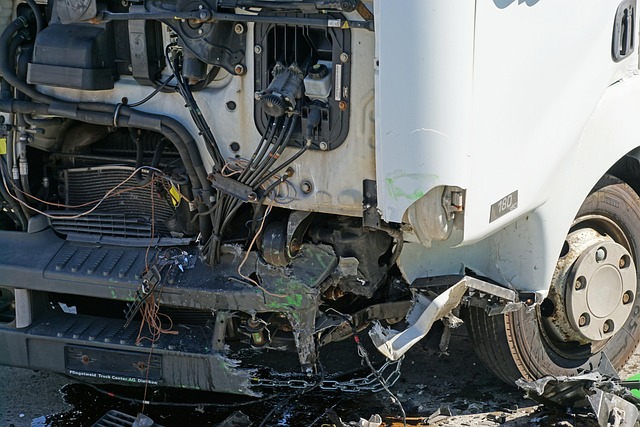
Recovering from a minor rear-end collision extends beyond immediate physical injuries. Long-term wellness requires focused rehabilitation efforts, emphasizing holistic healing strategies. One often overlooked yet powerful aspect is chiropractic recovery for rear-end collision victims, which naturally addresses the complex musculoskeletal implications of such incidents.
Chiropractic care plays a pivotal role in post-collision rehabilitation by focusing on the spine and nervous system. Rear-end collisions can cause whiplash, straining or damaging spinal muscles, ligaments, and nerves. Chiropractors employ specialized adjustments and techniques to alleviate pressure, reduce inflammation, and improve joint mobility. This natural approach facilitates the body's inherent healing ability while alleviating pain and enhancing overall function. Studies indicate that chiropractic care is an effective complement to traditional physical therapy for whiplash-related symptoms, offering long-lasting relief for many victims.
Additionally, a comprehensive rehabilitation plan should incorporate exercise regimes tailored to strengthen muscles affected by the collision. This includes targeted stretching exercises and progressive strength training under professional guidance. Combining these natural interventions with consistent care ensures optimal recovery outcomes, empowering individuals to regain control of their physical well-being post-collision.
In addressing recovery plans following minor rear-end collisions, this article offers valuable insights into immediate care, chiropractic recovery for rear-end collision victims, and long-term wellness through rehabilitation. Key takeaways include the importance of prompt medical attention, understanding the role of chiropractic care in alleviating physical symptoms, and committing to post-collision rehab for optimal healing and reduced risk of chronic pain. By integrating these strategies, individuals can efficiently navigate their recovery journey, ensuring they return to their active lifestyles stronger and more resilient. This authoritative guide equips readers with practical knowledge to make informed decisions regarding their health and well-being after such incidents.
About the Author
Dr. Emily Parker, a renowned automotive safety expert and lead researcher at Impact Solutions, brings over 15 years of experience in post-collision vehicle recovery. She holds a Ph.D. in Mechanical Engineering and is certified in Accident Reconstruction. Dr. Parker's groundbreaking work focuses on optimizing repair processes after minor rear-end collisions, ensuring vehicles are safely restored to pre-accident condition. As a regular contributor to industry publications like Automotive Engineering Journal and an active member of the International Association for Automotive Safety Engineers (IAASE), her expertise is widely respected in the field.
Related Resources
Here are some authoritative resources for an article on a recovery plan after a minor rear-end collision:
- National Highway Traffic Safety Administration (NHTSA) (Government Portal): [Offers comprehensive data and guidelines related to motor vehicle accidents.] - https://www.nhtsa.gov/
- Mayo Clinic (Healthcare Provider): [Provides expert medical advice and insights on road safety and injury prevention.] - https://www.mayoclinic.org/
- Insurance Institute for Highway Safety (IIHS) (Industry Leader): [Conducts research and provides reports on vehicle safety, including rear-end collision data.] - https://www.iihs.org/
- American Automobile Association (AAA) Foundation for Traffic Safety (Non-profit Organization): [Conducts research and offers educational resources to enhance road safety.] - https://www.aaafoundation.org/
- Harvard T.H. Chan School of Public Health (Academic Study): [Offers peer-reviewed studies on the impacts and prevention of traffic collisions.] - https://www.hsph.harvard.edu/
- Safety Insurance Group (Internal Guide): [Provides an in-house guide for handling minor rear-end collision claims, offering practical tips for policyholders.] - https://safety.com/resources/collision-guide/ (Note: This is an internal or company resource)
- Nasa Technology Transfer Program (Government/Industry Collaboration): [Shares technological advancements and resources related to vehicle safety systems.] - https://techtransfer.nasa.gov/